October 14, 2026
Auto body repair is a crucial service for vehicle owners, ensuring that their vehicles remain in safe and operational condition after accidents or wear and tear. The process is essential not only for the aesthetics of the vehicle but also for maintaining its structural integrity and safety features. Whether from minor fender benders or significant collisions, the need for auto body repair arises when a vehicle's exterior or structural components are damaged. Understanding this process can help vehicle owners make informed decisions about repair services. Below, we outline what to expect during the auto body repair process, from initial assessments to post-repair support.
Initial Assessment and Damage Estimation
Vehicle Inspection
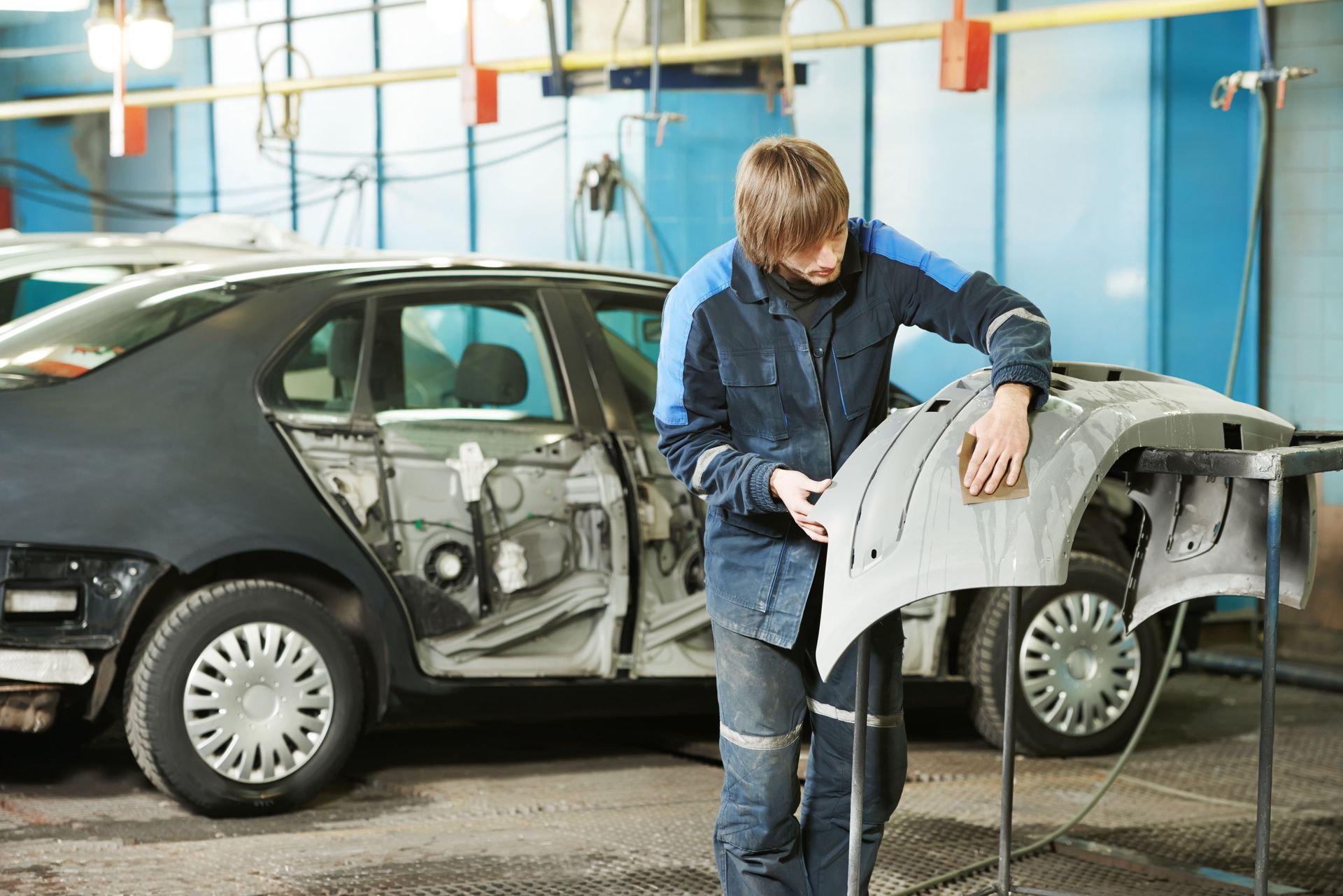
The vehicle inspection is the first step in the auto body repair process. Technicians begin with a comprehensive examination of the vehicle to identify visible and hidden damage. This inspection includes assessing the condition of body panels, bumpers, and lights, as well as checking structural points for any deformities. Utilizing advanced tools and technologies, technicians can detect damages that are not immediately visible to the naked eye. This thorough evaluation ensures that all repair needs are identified upfront, preventing any overlooked issues from causing future problems.
Estimation Tools and Techniques
After the initial inspection, repair centers employ a variety of tools and techniques to estimate the cost of repairs accurately. Technicians use software that factors in labor, parts, and the extent of damage to offer an accurate financial estimate. These tools also help in visualizing the repairs needed and planning the workflow. The estimation accounts for all standard procedures and potential challenges that might arise during the repair. Providing an accurate estimate is crucial for the vehicle owner to understand the potential cost involved and to make decisions regarding insurance claims and repairs.
Customer Consultation
Once the initial assessment and estimation are complete, the next step involves an in-depth customer consultation. Repair professionals communicate the findings to the vehicle owner, discussing the extent of the damage and proposed solutions. They guide the customer through the repair process, explaining each step and its significance. During this consultation, any questions or concerns from the vehicle owner can be addressed, ensuring transparency and understanding. Building a strong relationship with customers helps repair professionals provide a more personalized and satisfactory service.
Insurance Claims
The insurance claims process often goes hand-in-hand with the damage assessment and estimation. Many repair shops have established relationships with insurance companies, streamlining the claims process for their customers. Repair professionals assist in providing detailed documentation and reports needed for insurance claims, alleviating some of the stress faced by vehicle owners. According to Amica Insurance, traffic accidents cost over $800 billion a year, highlighting the importance of streamlined insurance claims to minimize financial burdens on vehicle owners. Efficient claims processing allows vehicle owners to focus on the repair process rather than bureaucratic challenges.
Repair Planning and Parts Procurement
Developing a Repair Plan
After completing the damage assessment, technicians move on to developing a comprehensive repair plan. This plan outlines each step of the repair process, from structural corrections to cosmetic touch-ups. A detailed plan helps prevent unexpected issues and ensures that all necessary repairs are addressed systematically. The repair plan acts as a roadmap, guiding technicians through each phase efficiently. Its structured approach minimizes errors and maximizes the quality of the repair work performed.
Identifying Necessary Parts
Identifying and sourcing the correct parts is a fundamental aspect of the repair plan. Each damaged component is catalogued, and a list of necessary parts is compiled. This process involves close attention to detail, as using incorrect or subpar parts can compromise the quality of the repair. Accurate identification ensures compatibility and functionality, contributing to the long-term performance of the vehicle. A comprehensive parts list is essential for liaising with suppliers and expediting the procurement of necessary components.
Sourcing Original vs. Aftermarket Parts
In the auto body repair industry, there is a choice between using Original Equipment Manufacturer (OEM) parts and aftermarket parts. OEM parts are designed by the vehicle's manufacturer and offer a perfect fit and high quality, while aftermarket parts are produced by third-party companies and might vary in quality and fit. The decision between OEM and aftermarket parts often depends on factors such as cost, availability, and the specific repair requirements. Customers are typically counseled on the pros and cons of each option, allowing them to make informed decisions that align with their budget and needs. This decision can influence both the quality of the repair and the overall cost.
Supplier and Vendor Relationships
Strong relationships with suppliers and vendors are key to successful parts procurement. Established networks allow repair shops to source quality parts quickly and at competitive prices. These relationships can also aid in securing hard-to-find parts or prioritizing expedited shipping in urgent cases. A reliable supplier network helps avoid unnecessary delays and keeps the repair process moving smoothly. Repair shops strive to work collaboratively with vendors to ensure they can offer the best parts and service to their customers.
Structural and Mechanical Repairs
Frame Straightening and Alignment
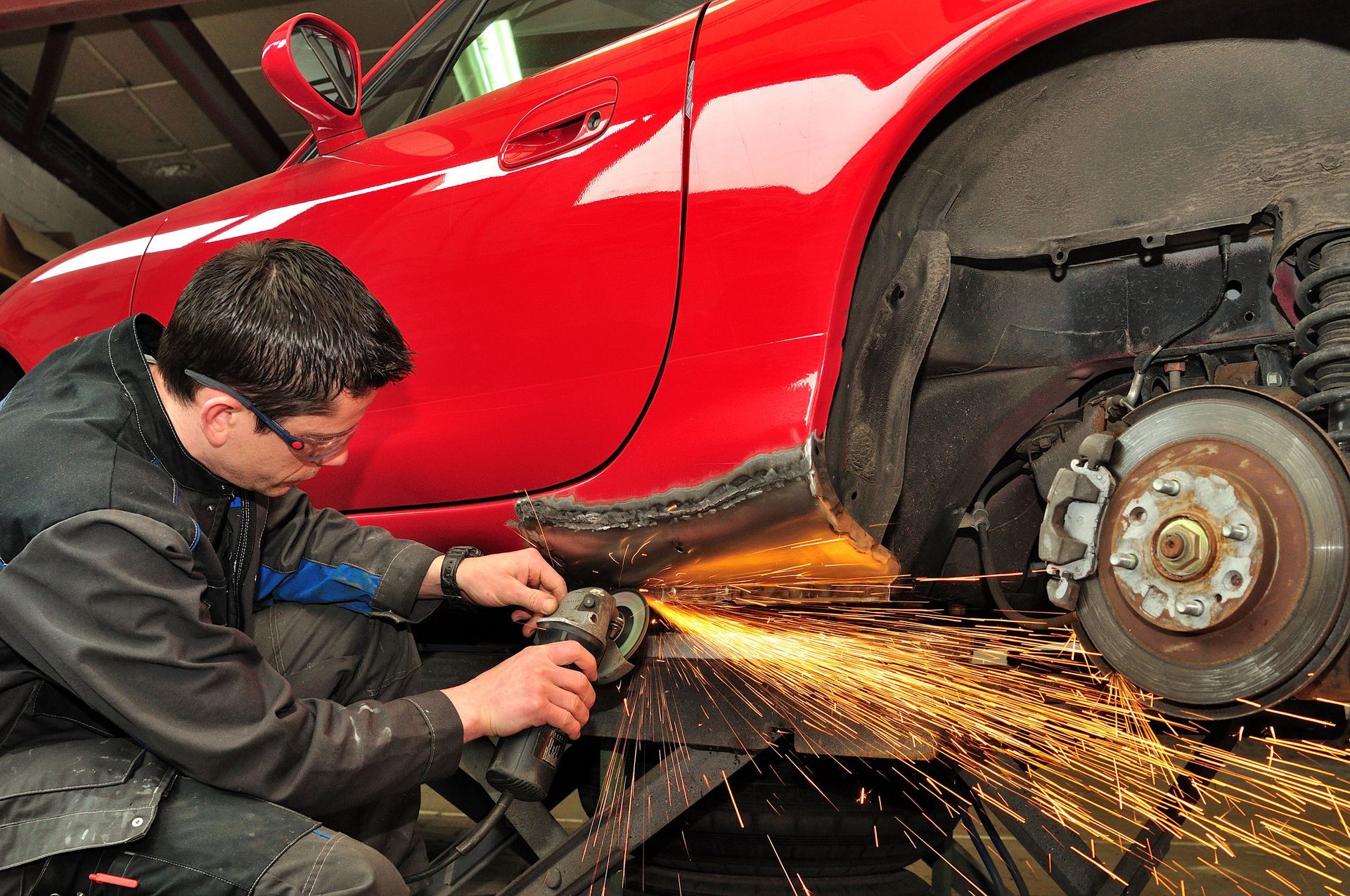
The structural integrity of a vehicle is crucial, especially after an accident. Frame straightening and alignment are technical processes that ensure the vehicle's frame is returned to its original specifications. Advanced computerized systems are often used to achieve precise alignment, which is critical for vehicle safety and performance. This stage involves significant skill and experience, requiring technicians to handle specialized equipment and measurements carefully. Efficient frame alignment re-establishes the foundation for additional repairs, contributing to the overall safety of the vehicle.
Repairing Suspension Systems
Suspension systems play a vital role in a vehicle's drivability and comfort. If damaged, they can cause uneven tire wear, poor handling, and increased stopping distance. Repairing suspension components involves inspecting and possibly replacing parts like shocks, struts, and control arms. Ensuring these components are in perfect condition is crucial for restoring the vehicle's ride quality and stability. Skilled technicians perform these repairs with precision, adhering to manufacturer specifications to ensure optimal performance.
Replacement of Mechanical Parts
Collision damage often extends beyond the vehicle's structure to affect mechanical systems, including the engine or drivetrain components. When critical parts are damaged, replacement becomes necessary to restore the vehicle's functionality. Technicians must carefully select and install replacement parts to ensure compatibility and optimal performance. Detailed testing follows the installation to verify the vehicle operates smoothly and reliably. Effective mechanical repairs are pivotal for the vehicle's safety and operational reliability, underscoring the need for expert handling.
Technological Advances in Structural Repairs
Technological advancements play a significant role in the field of structural repairs. Modern equipment, like digital measuring tools and automated alignment systems, allows for more accurate and efficient repairs. These tools enable technicians to achieve precise results, enhancing the overall quality of the repair process. Technology-driven methodologies also help reduce repair times, increasing the efficiency of repair operations. Staying abreast of these advances ensures that repair shops can offer top-tier services to their customers.
The auto body repair process is a comprehensive and intricate journey aimed at restoring vehicles to their optimal state. From initial assessments to post-repair support, each stage is critical in ensuring quality and customer satisfaction. Understanding what to expect during this process empowers vehicle owners to engage more confidently with repair services, knowing the importance of each step. Choosing a reputable repair shop is paramount for receiving reliable service and ensuring vehicular safety and performance. By thoroughly comprehending each stage, vehicle owners can navigate the repair process smoothly and with peace of mind—contact the trusted professionals at Mike's Body Shop today to schedule your damage assessment and restore your vehicle to peak condition.