August 7, 2026
Accidents can leave drivers dealing with more than visible dents and scratches. Even a minor collision may affect structural components, safety systems, alignment, paint, and mechanical performance. The repair process can also involve insurance paperwork, estimates, parts ordering, and decisions about whether a vehicle is safe to drive. Professional support helps organize these concerns and gives vehicle owners a clearer path forward. By inspecting damage carefully, coordinating repairs, and restoring both appearance and function, a qualified repair team can help reduce stress, answer important questions, and return the vehicle to dependable condition as efficiently as possible.
1. Assessing Hidden Collision Damage
One of the first ways an auto body service helps after an accident is by identifying damage that may not be obvious during a quick roadside inspection. A bumper may look only slightly dented, while the reinforcement bar, mounting brackets, sensors, or frame components behind it have absorbed significant force. Cracks, misalignment, and weakened connections can remain concealed beneath exterior panels. A detailed inspection allows technicians to examine the full impact area and determine which parts require repair or replacement.
Technicians may use measuring systems, diagnostic equipment, and visual checks to evaluate the frame, suspension, safety sensors, and body structure. This step is especially important after rear-end crashes, which are among the most common collision types. According to Amica Insurance, approximately 1.7 million rear-end collisions occur in the U.S. every year. By locating hidden concerns early, the repair team can create a more accurate plan and reduce the chance that overlooked damage will affect safety or performance later.
2. Documenting Damage for Insurance Claims
After a crash, insurance companies usually require clear documentation before approving repairs. An auto body service can photograph the damaged areas, prepare a written estimate, identify affected components, and explain why specific repairs are necessary. This organized record helps connect visible and hidden damage to the collision. It can also provide the insurer with the information needed to review labor hours, replacement parts, refinishing procedures, and other costs associated with restoring the vehicle.
Repair professionals may communicate directly with insurance adjusters when additional damage appears after panels are removed. These supplemental findings are common because some problems cannot be confirmed during the initial exterior inspection. The shop can submit updated documentation and request authorization before continuing. This coordination helps the vehicle owner avoid managing every technical conversation alone and can keep the claim moving while repairs are completed according to the approved scope.
3. Restoring Structural Vehicle Alignment
A collision can shift a vehicle's frame or unibody structure even when the exterior damage seems limited. Proper alignment is essential because structural measurements influence how doors close, panels fit, wheels track, and safety systems perform. A professional auto body service can place the vehicle on specialized equipment, compare measurements with manufacturer specifications, and apply controlled force to return damaged sections to their correct positions. This process provides the foundation for accurate repairs throughout the rest of the vehicle.
Structural correction is not simply a cosmetic step. Modern vehicles are engineered with crumple zones and reinforced passenger compartments designed to manage crash forces in specific ways. If those areas remain distorted, the vehicle may not respond as intended in another accident. Correcting the structure also helps prevent uneven tire wear, pulling, vibration, and panel gaps. Careful measurement and repair allow the restored vehicle to operate more predictably and maintain the design characteristics built into it.
4. Repairing Damaged Exterior Components
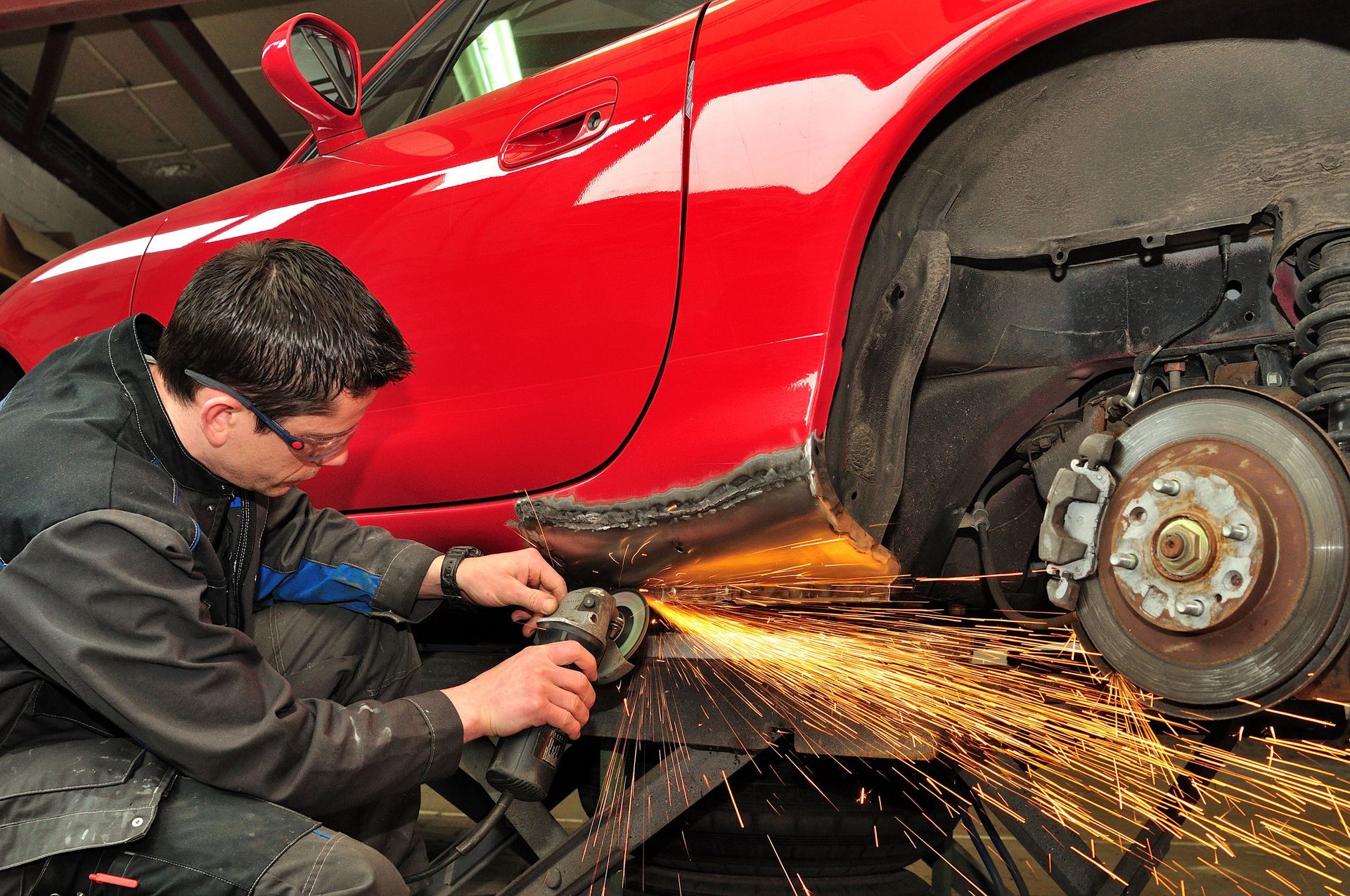
Dents, cracks, torn bumpers, damaged fenders, and bent doors can affect both appearance and everyday use. An auto body service determines which components can be repaired and which should be replaced based on material, location, and severity. Technicians may reshape metal, repair certain plastics, replace panels, and restore mounting points so parts fit securely. Making the correct choice helps control costs without sacrificing durability or leaving weakened materials in place.
Exterior repairs also address practical concerns such as water intrusion, wind noise, sharp edges, and doors or trunks that no longer open properly. A small gap around a panel can allow moisture and debris to reach areas that are difficult to inspect, while a damaged bumper may not remain secure during normal driving. Restoring these components protects surrounding parts and brings the vehicle closer to its pre-accident function as well as its original appearance.
5. Matching Paint and Surface Finishes
Collision repairs often require refinishing because replacement panels and repaired areas do not arrive with a finished color match. A skilled auto body service uses paint codes, computerized color tools, spray techniques, and blending methods to create a consistent appearance. Since paint can fade or change slightly over time, technicians may adjust the formula rather than relying only on the original factory code. This attention to detail helps the repaired section blend naturally with nearby panels.
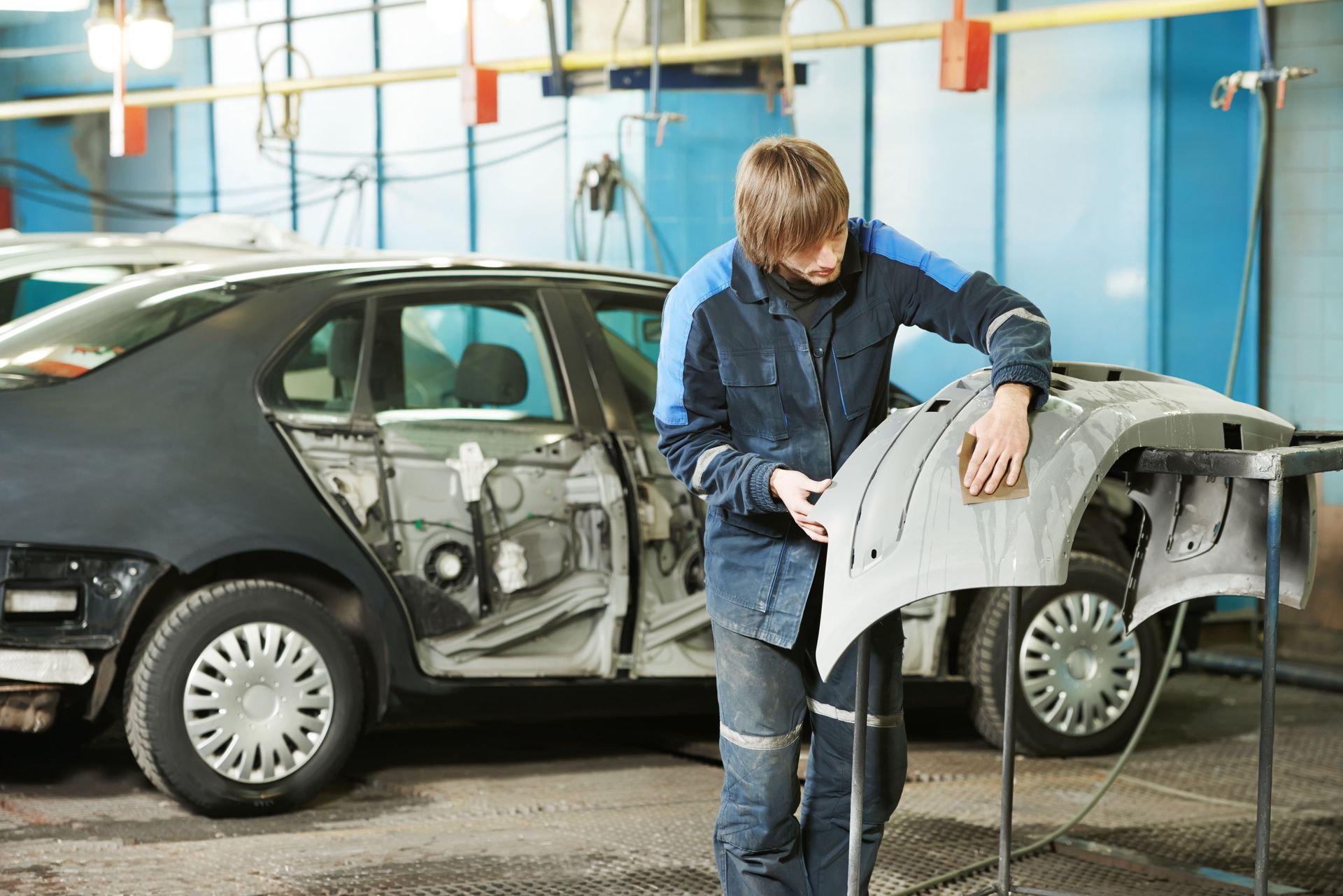
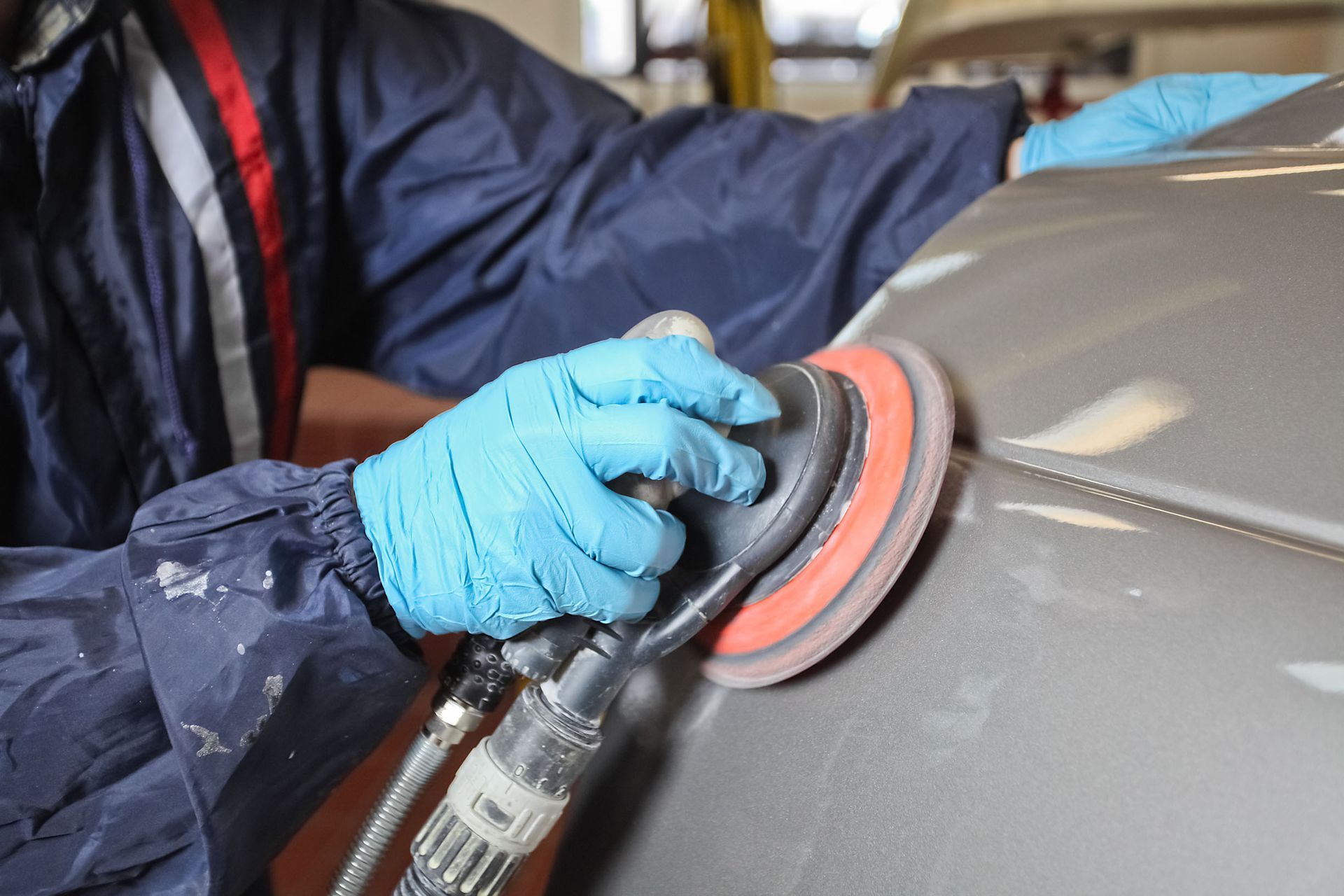
Surface preparation is equally important to the final result. Technicians clean, sand, prime, seal, and inspect the repair area before applying basecoat and clear coat. Proper preparation helps the finish adhere evenly and resist peeling, bubbling, or premature corrosion. After curing, the surface may be polished to match the surrounding gloss and texture. A professional refinishing process protects exposed materials while restoring the vehicle's overall look and resale appeal.
6. Recalibrating Modern Safety Systems
Many newer vehicles include cameras, radar units, parking sensors, blind-spot monitors, and other driver-assistance technology. These components may be installed in bumpers, mirrors, windshields, and body panels that can shift during a collision. An auto body service may inspect these systems and arrange recalibration after structural, glass, suspension, or exterior repairs. Even a small change in sensor position can affect how accurately the system detects lane markings, nearby vehicles, pedestrians, or obstacles.
Calibration procedures vary by manufacturer and may require specialized equipment, level flooring, precise measurements, road testing, or digital targets. Warning lights are not always present when a sensor is slightly misaligned, so following repair procedures is important even when the system appears operational. Confirming proper calibration helps restore features that support braking, steering, parking, and collision warnings. This step has become a critical part of complete repairs as vehicle technology continues to advance.
7. Completing Final Quality and Safety Checks
Before returning the vehicle, the repair team should perform final checks to confirm that repairs are complete and components operate correctly. Technicians may inspect panel alignment, paint finish, lighting, door operation, trim, warning indicators, fluid levels, and wheel alignment. A road test may reveal pulling, unusual sounds, vibration, or handling concerns that are not noticeable while the vehicle is stationary. These checks give the shop an opportunity to correct remaining issues before delivery.
The final review may also include cleaning the repaired areas, confirming that removed personal items are returned, and explaining warranties or care instructions. Vehicle owners should receive information about the work completed and any follow-up recommendations. A careful handoff allows drivers to understand the condition of the vehicle and ask questions before leaving. Quality control brings the repair process together by confirming that appearance, operation, and safety-related details have all received attention.
Recovering from an accident involves much more than covering a dent or replacing a broken light. Professional collision repair can uncover hidden damage, support insurance documentation, restore structural alignment, repair exterior components, match the finish, recalibrate safety technology, and confirm that the vehicle is ready to return to the road. Choosing an experienced auto body service helps drivers manage each stage with clearer information and coordinated support. For dependable collision repairs and assistance after an accident, contact Mike's Body Shop.